
Whether you’re headed to the mountains for a weekend getaway, returning home after an adventure, or simply passing through the I-70 Mountain Corridor, the Colorado State Patrol (CSP) is an important resource for keeping travelers safe.
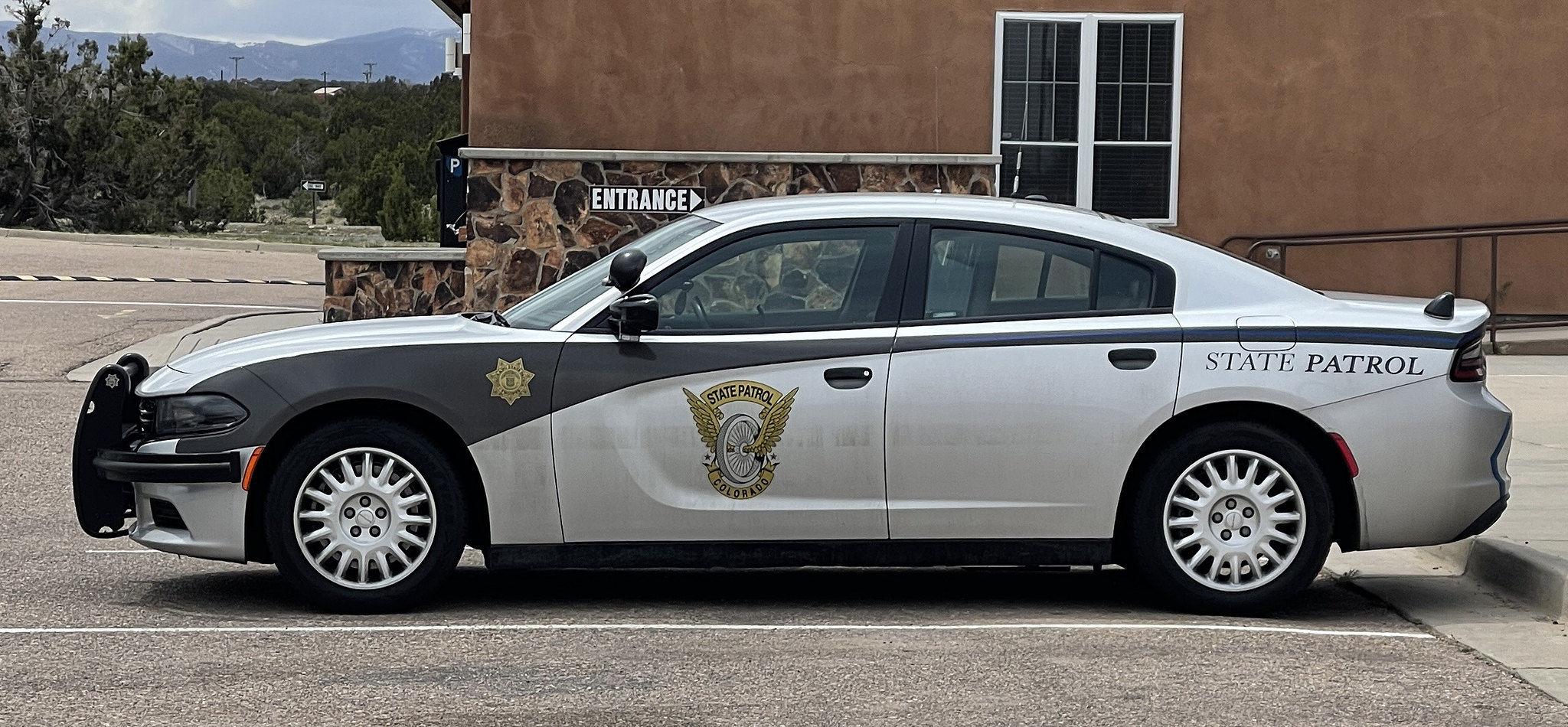
As traffic volumes increase throughout the summer and fall travel seasons, motorists can help improve safety by reporting dangerous driving behaviors and roadway hazards through the appropriate channels.
*CSP – A Direct Line to Colorado State Patrol
You can contact CSP directly by dialing *CSP (*277) from your cell phone. The service is available 24 hours a day, seven days a week, free of charge and connects callers directly to a CSP dispatcher.
The *CSP line is designed to handle highway emergencies and can be a valuable tool for motorists traveling along the I-70 Mountain Corridor.
When to Call *CSP
Motorists should consider calling *CSP to report:
- Aggressive driving, road rage, tailgating or reckless lane changes
- Suspected impaired drivers who are swerving, weaving or exhibiting other dangerous behaviors
- Excessive speeding or other hazardous driving behaviors
- Debris, cargo or other objects in the roadway
- Non-injury traffic incidents on state highways and interstates
- Stranded vehicles on highway shoulders that may need assistance
Prompt reporting can help law enforcement respond quickly and prevent crashes before they occur.
How Calls Are Prioritized
When a call is received, dispatchers gather information and determine the appropriate response based on the severity and urgency of the situation. Life-threatening emergencies, injury crashes, and incidents posing an immediate danger to the public receive the highest priority.
Providing accurate information helps dispatchers quickly assess the situation and deploy the appropriate resources.
When calling, be prepared to provide:
- Your exact location, including the highway number, direction of travel and nearest exit or mile marker
- The vehicle’s make, model, color and license plate number, if safely visible
- The direction the vehicle is traveling
- A brief description of the dangerous behavior being observed
Motorists should never attempt to follow, confront or engage with an aggressive or impaired driver to gather information. If possible, have a passenger capture this information and call to avoid distracted driving.
When to Call 911 Instead
While *CSP is a valuable resource for highway-related incidents, 911 should always be used for life-threatening emergencies, serious crashes involving injuries, fires, medical emergencies or situations requiring an immediate emergency response.
Using the appropriate reporting line helps keep emergency dispatch resources available for the incidents that need them most.
A Shared Responsibility
Safety on the I-70 Mountain Corridor depends on everyone working together. Motorists can do their part by driving responsibly, staying alert, securing cargo and equipment, and reporting dangerous conditions when they see them.
As travel volumes continue to increase throughout the I-70 Mountain Corridor – especially during summer – timely reporting of hazardous situations can help CSP and transportation partners respond quickly, reduce risks and keep traffic moving safely for everyone.
Knowing when and how to contact CSP can help make your trip safer – and keep Colorado’s highways moving for everyone.